Boston · Planning Guide
Mastering Direct Flash for Bold, Editorial Wedding Photos (2025 Trend)
Documentary Wedding Photography · Boston & New England
TL;DR, Direct Flash Wedding Photography
- The look Crisp, editorial, paparazzi-style with punchy subjects and dark backgrounds a 90s/Y2K fashion vibe that is trending now
- When it shines: Receptions and after-party, dance floor, blue-hour/night portraits captures energy and motion cleanly
- Skin and shine Managed with angle, power, diffusion and light retouch avoids unflattering hotspots
- Red-eye prevention Light kept off the lens axis plus minor post fixes if needed
- Ceremony policy Ask your venue or faith leader about flash rules I adapt to no-flash spaces
- Film + direct flash Option to mix 35mm for timeless grain and digital punch: • Updated September 25, 2025
Direct flash is back in wedding photography. It adds a fresh, modern edge to reception and night photos. As a Boston wedding photographer, I keep current with the techniques that serve my couples best.
The Direct Flash Trend: A Quick Overview
Clarifying Terms and Concepts
Before diving deeper into the direct flash trend, let’s clarify some essential terms:
- Ambient light: This refers to the natural or existing light in a scene, such as sunlight, moonlight, or artificial light sources like lamps or overhead lighting.
- Bounce flash: This technique involves pointing the flash towards a surface, like a wall or ceiling, allowing the light to bounce off and indirectly illuminate the subject. This creates a softer, more diffused effect compared to direct flash.
Understanding these terms will help you appreciate the differences between direct flash and other lighting techniques Boston area wedding photographers use.
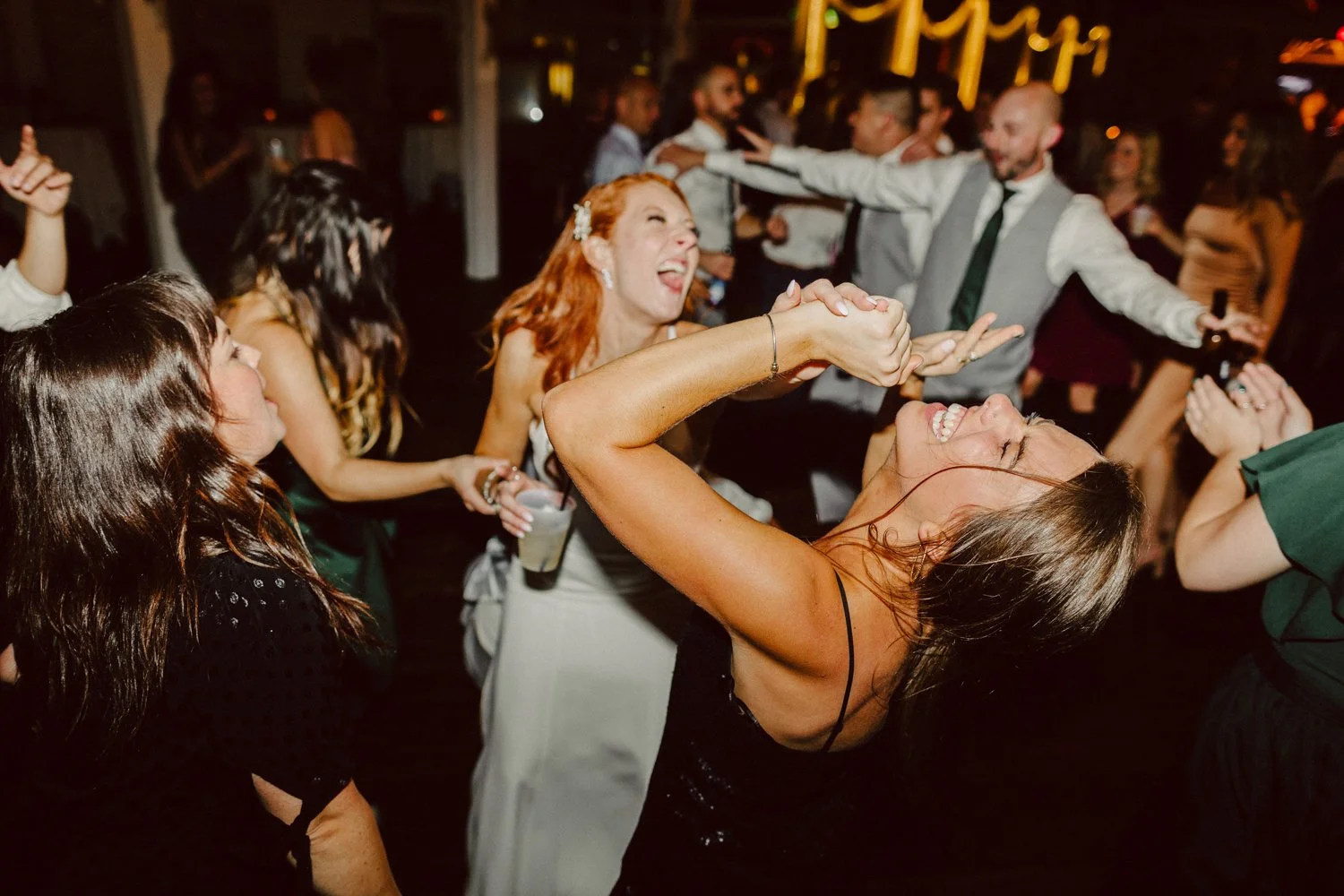
What is direct flash?
Direct flash points the light straight at the subject. The result is a bright, evenly lit frame. This differs from bounce or off-camera techniques, which diffuse the light for a softer effect.
Why has direct flash become popular in wedding photography?
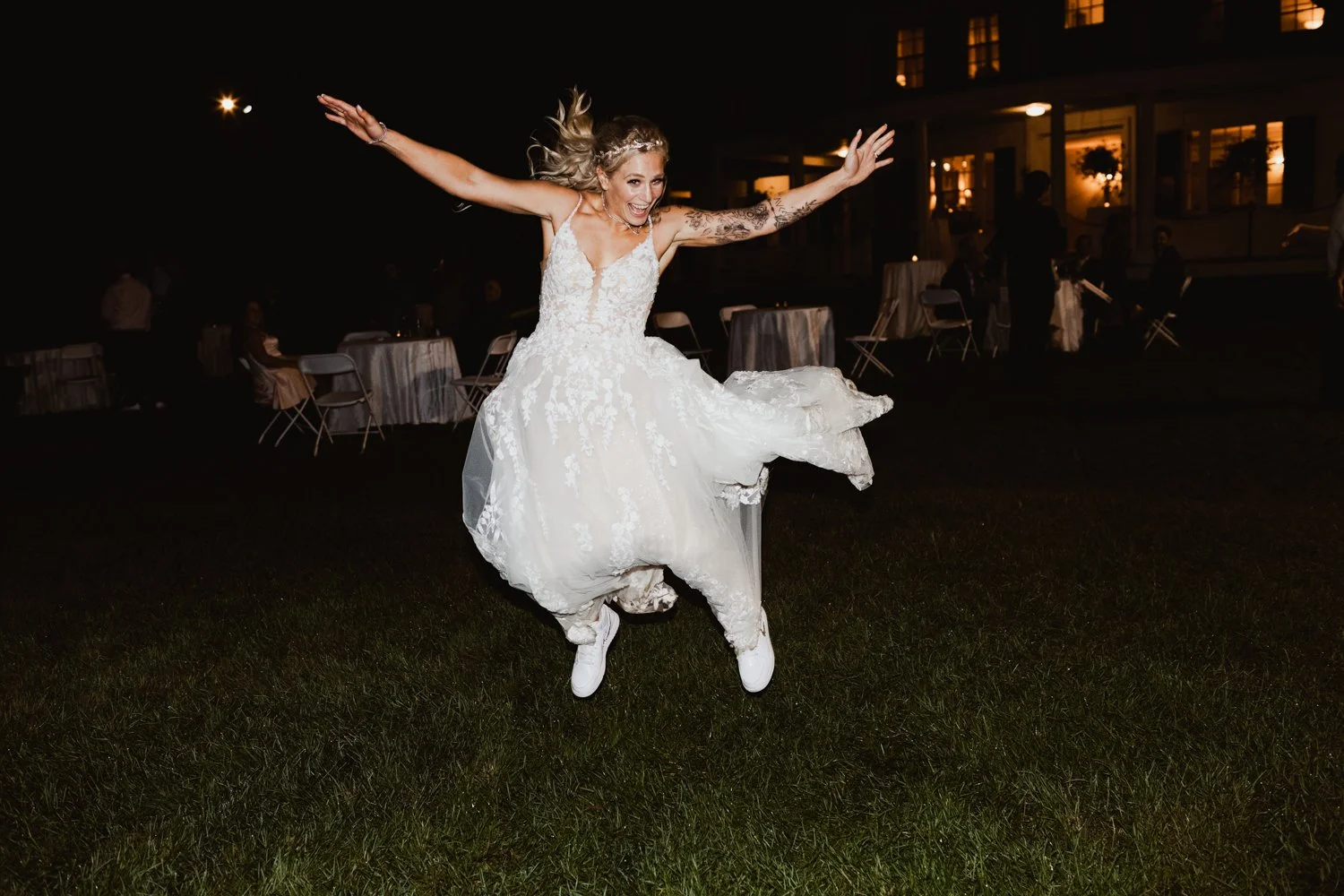
Direct flash captures the raw, candid energy of a wedding. It echoes the look of disposable cameras and high-fashion editorials, both current in photography right now. The technique gives your Boston wedding photos a modern edge that sets them apart from traditional images.
Free Direct Flash Preset
Click the image to grab your free Adobe Lightroom preset for direct flash.
What Is The Best Flash For Wedding Reception?
My pick for direct flash at a reception is the Flashpoint Zoom Li-ion Mini TTL R2. It is affordable and lightweight, and the lithium battery lasts the whole reception. A built-in radio transceiver makes a multi-flash setup simple. I carry two of these to every wedding.
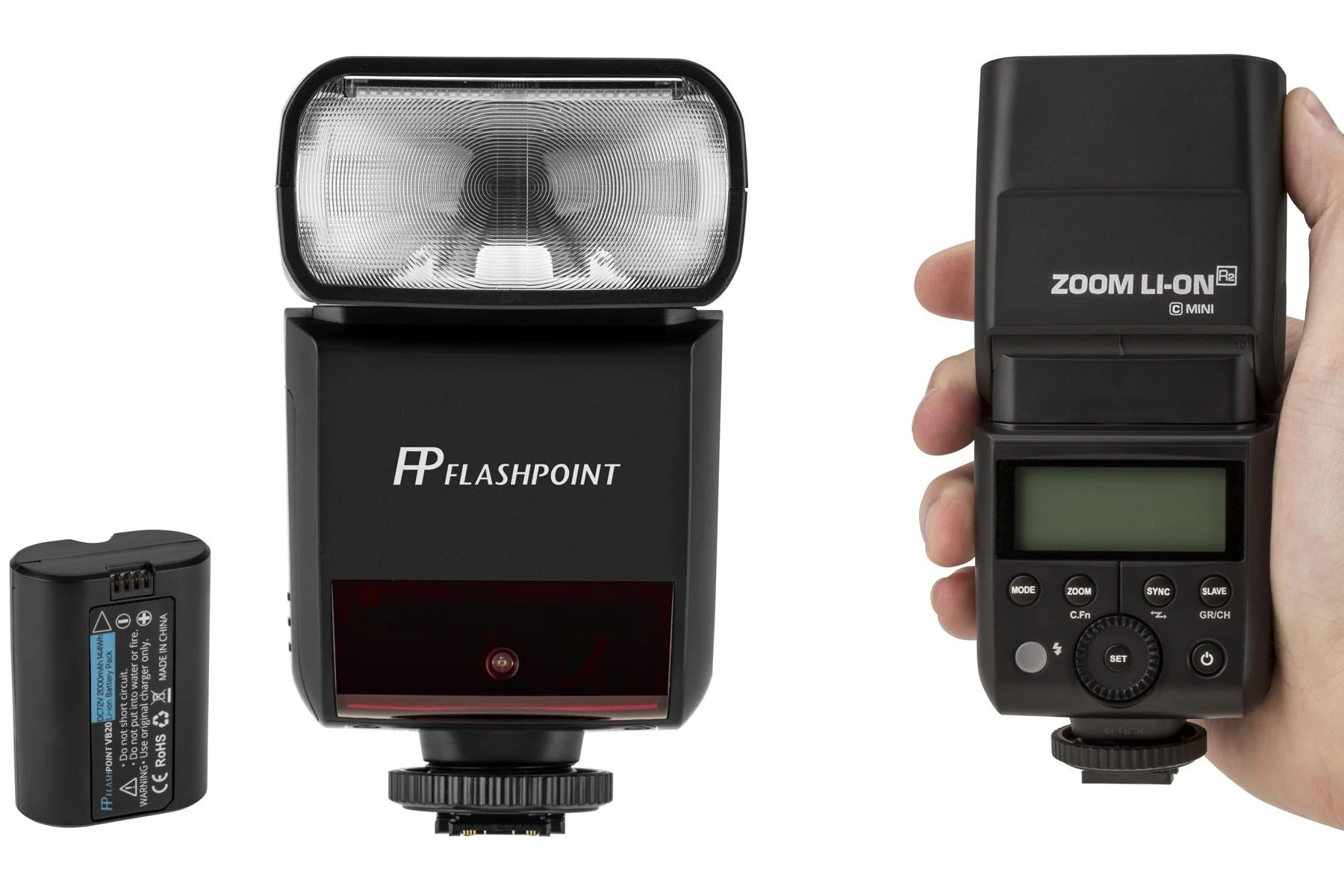
I carry minimal wedding photography equipment on a wedding day. Two of these in my bag give me enough light for nearly any situation I find myself in. The Flashpoint Zoom Li-ion Mini TTL R2 balances convenience and performance in a way that is hard to beat.
I recommend two flashes, two chargers, and three batteries. That setup carries you through those doubleheader weekends.
- 2x – Flashpoint Zoom Li-ion Mini TTL R2
- 2x – Flashpoint Battery Charger for the Zoom Li-ion Mini Flash Battery (C20)
- 3x – Flashpoint Lithium-Ion Battery for Zoom Li-ion Mini Flash (7.2V, 2000mAh) VB20
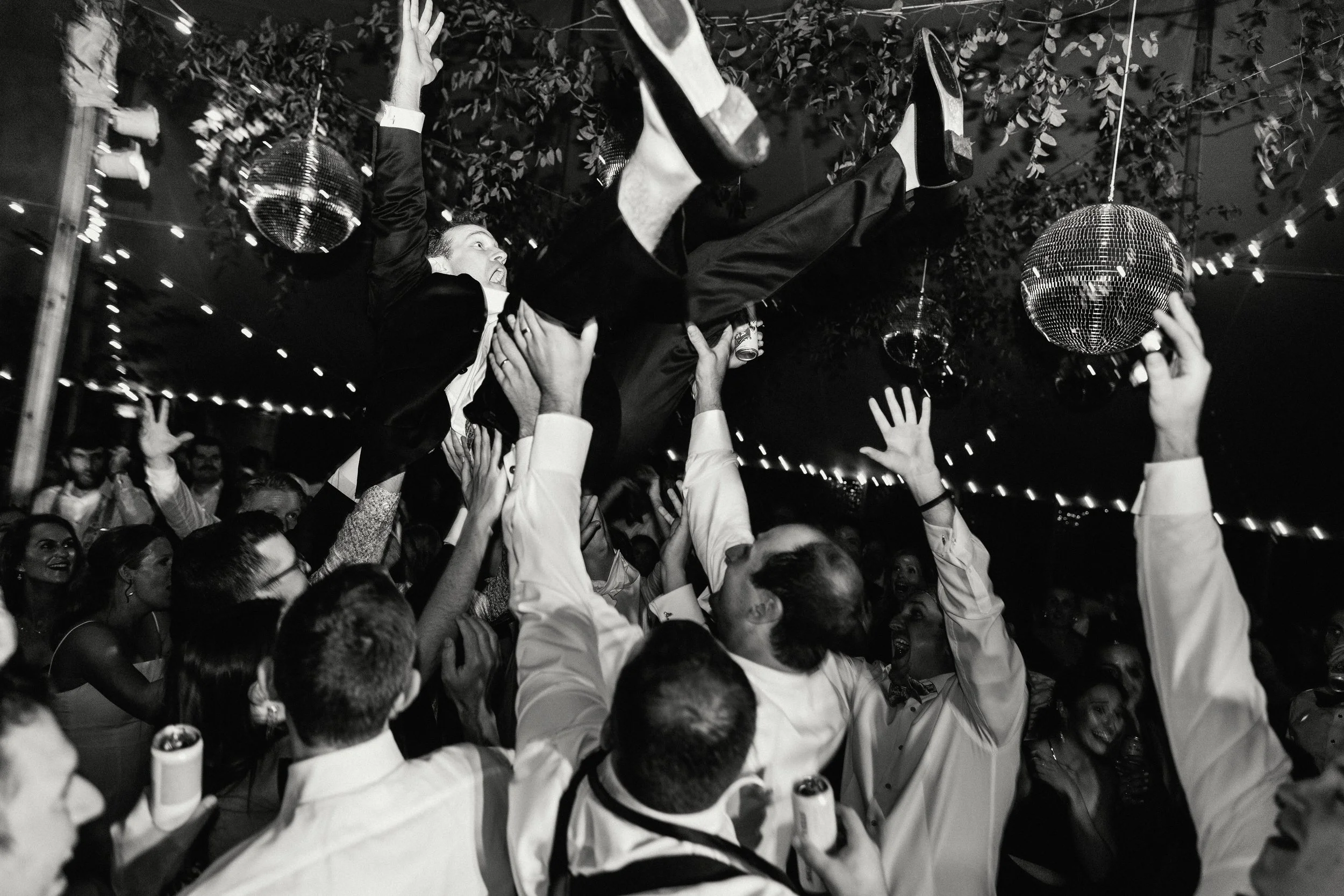
How To Use Direct Flash At Wedding Receptions
To achieve the best results with direct flash, it’s essential to balance the flash intensity with ambient light. Here are a few ways Boston wedding photographers are using direct flash for reception photos:
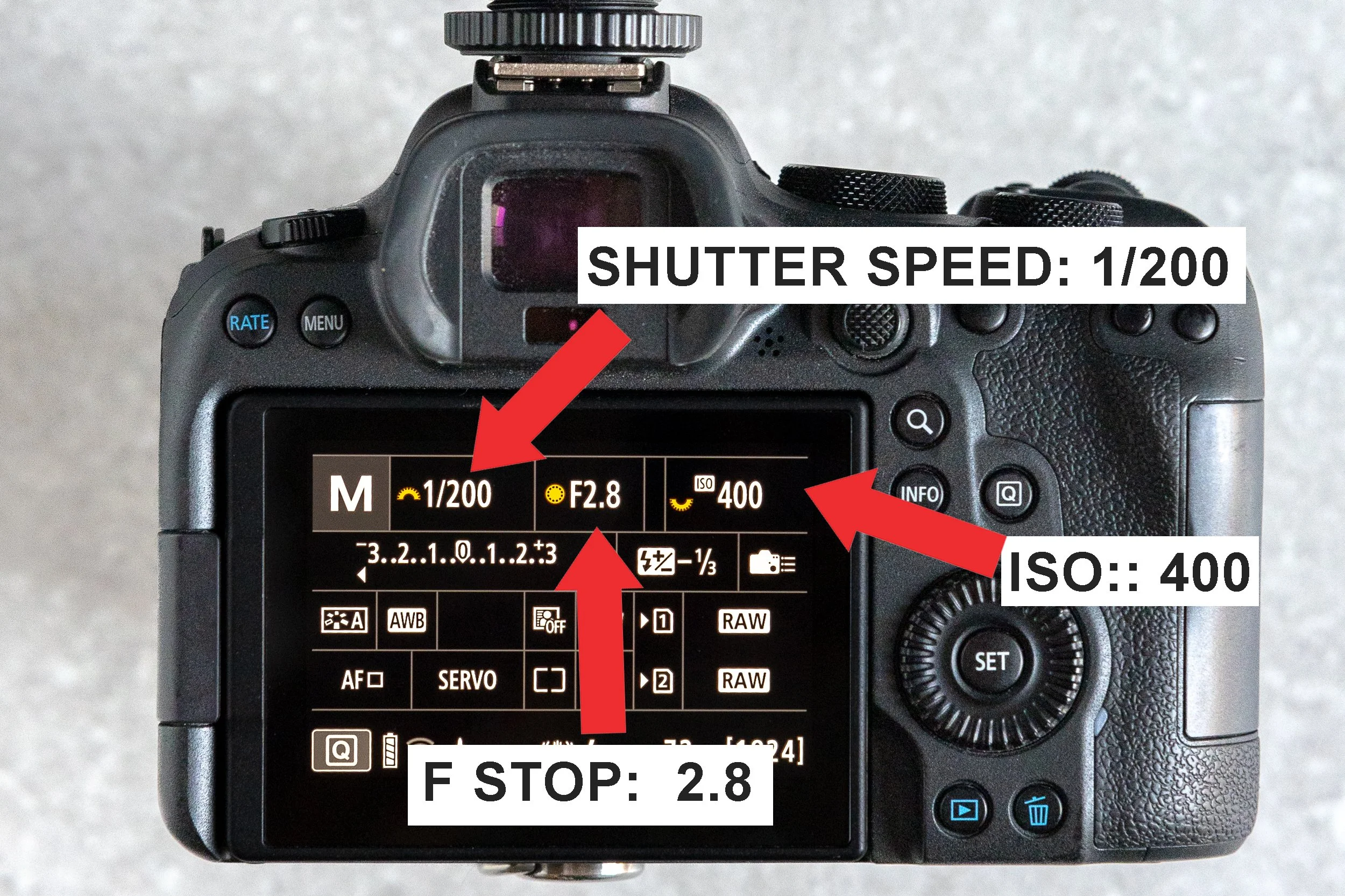
Camera Settings For Direct Flash:
For direct flash, you’ll want to experiment with various shutter speeds, apertures, and ISO settings. Generally, a faster shutter speed (1/125 or higher) and a smaller aperture (f/2.8 to f/9) help balance the flash with ambient light. Keep the ISO setting as low as possible (100-400) to minimize noise.
During a reception, I know that if my flash power is set to 1/128 and I set my camera to the settings below with the subject 4-5 feet away, my photo will be exposed properly.
- Shutter Speed: 1/200
- F-Stop: 2.8
- ISO Speed: 400
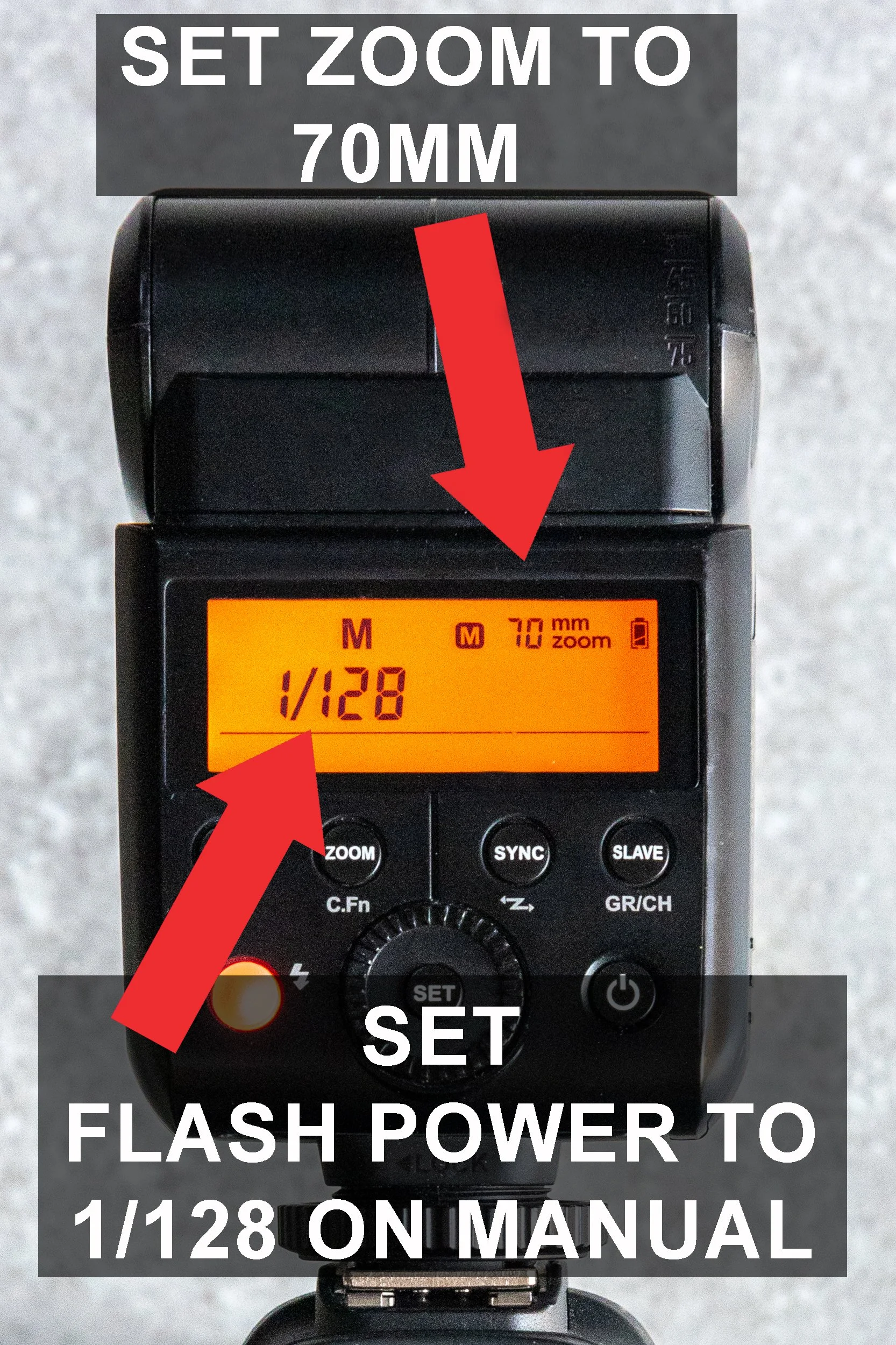
Direct Flash Settings:
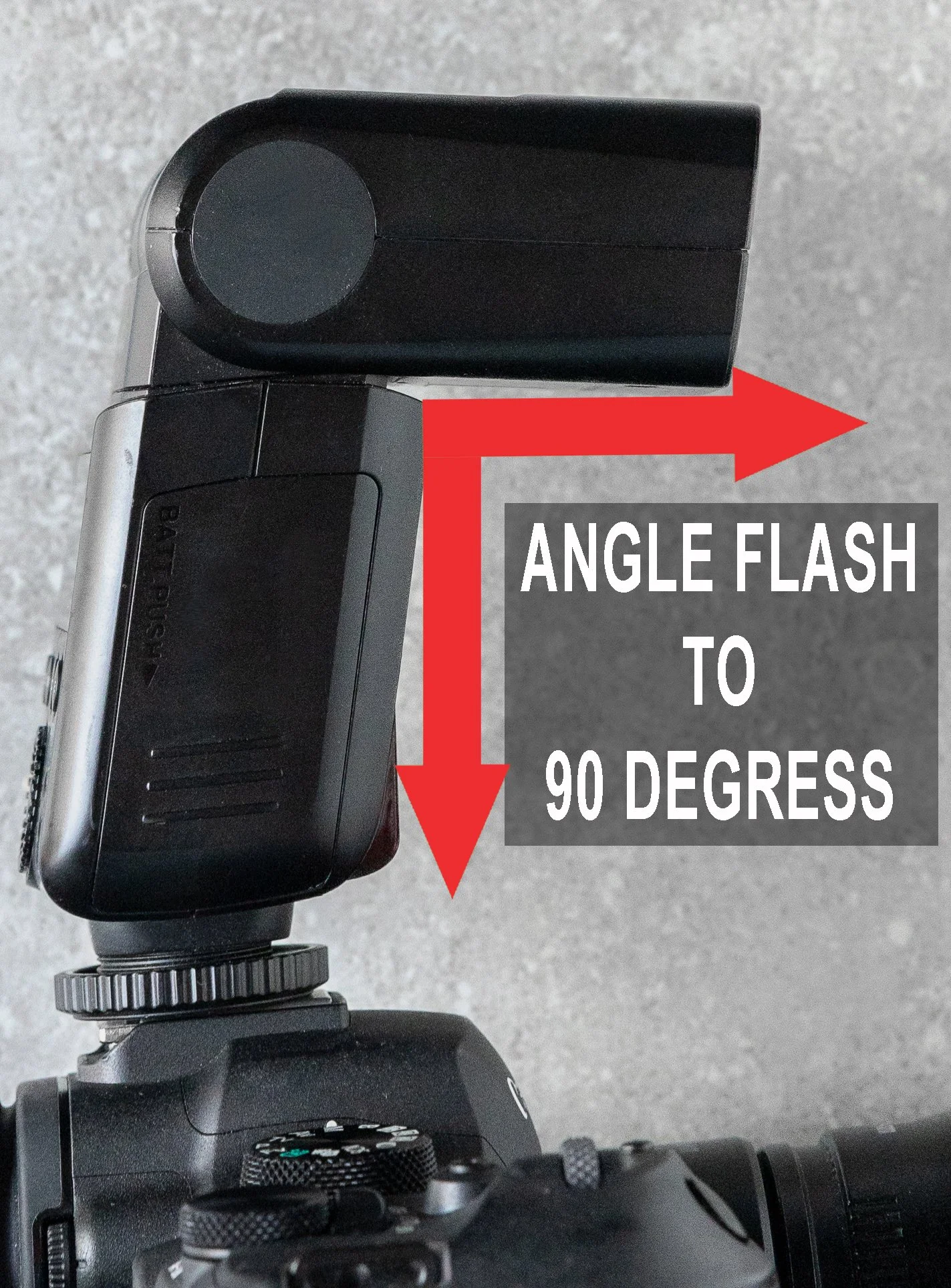
When I photograph a reception with direct flash, I mount my flash at a 90-degree angle. I select manual mode and set the flash power to the lowest setting with the zoom at 70mm. Then I set my camera to 1/200, f/2.8, and ISO 320.
In summary, my direct flash settings are:
- Flash Mode: Manual
- Power Setting: 1/128
- Zoom: 70mm
Position of Direct Flash:
Experiment with the angle of the flash relative to your subject. Shooting at an angle can create interesting shadows and highlights, adding depth and dimension to your images.
Understanding and applying these techniques can elevate your direct flash wedding photography and create modern, striking images.
- Angle of Direct Flash: 90 Degrees
Flash modifiers:
You can use diffusers, grids, or snoots to control the direction and spread of light from your flash. This can help create a more polished look in direct flash wedding photos.
I personally don’t use modifiers on my direct flash. I prefer to carry minimal equipment, and I like the look of a direct flash zoomed in to 70mm.
Benefits to Using Direct Flash
Freeze the action:
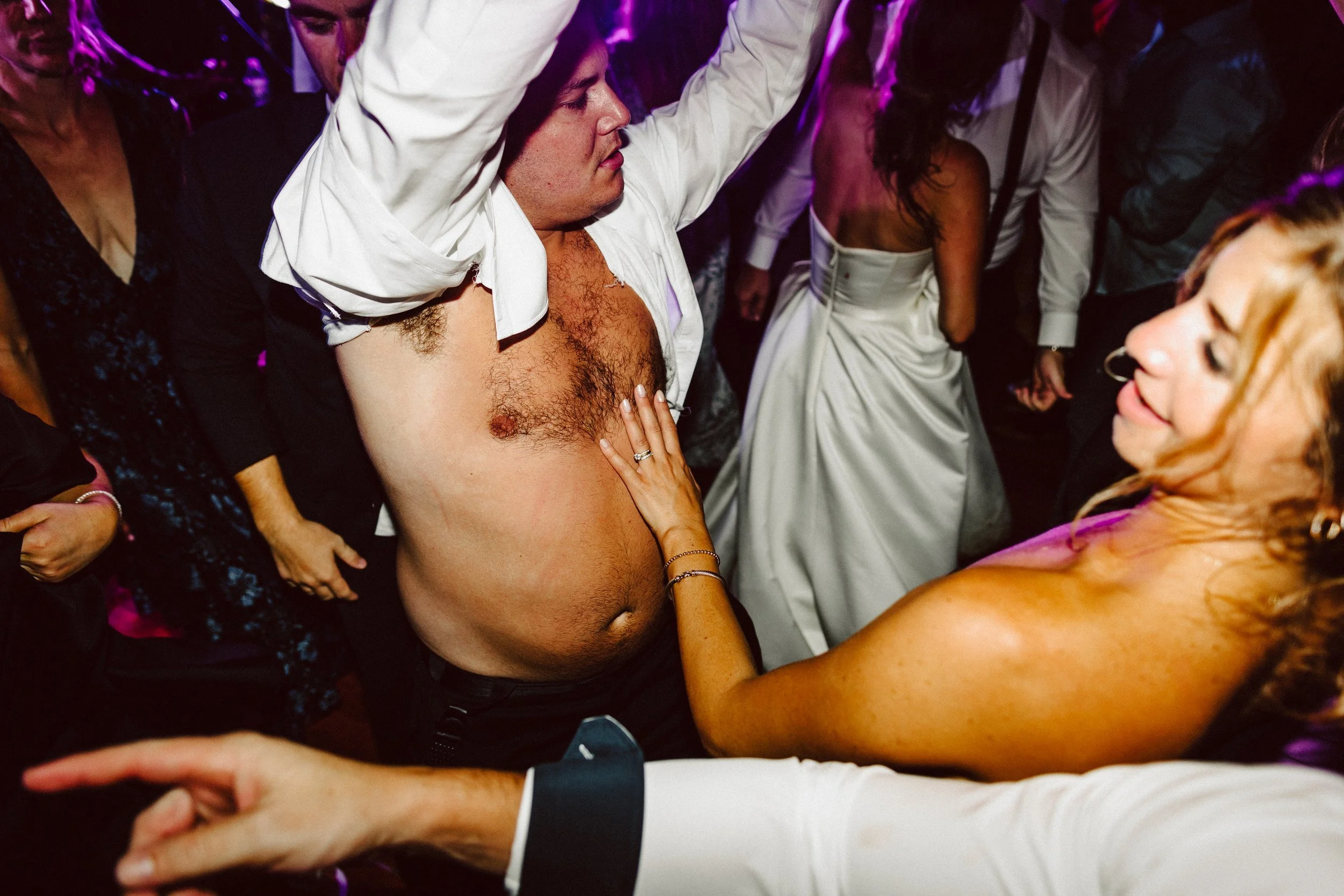
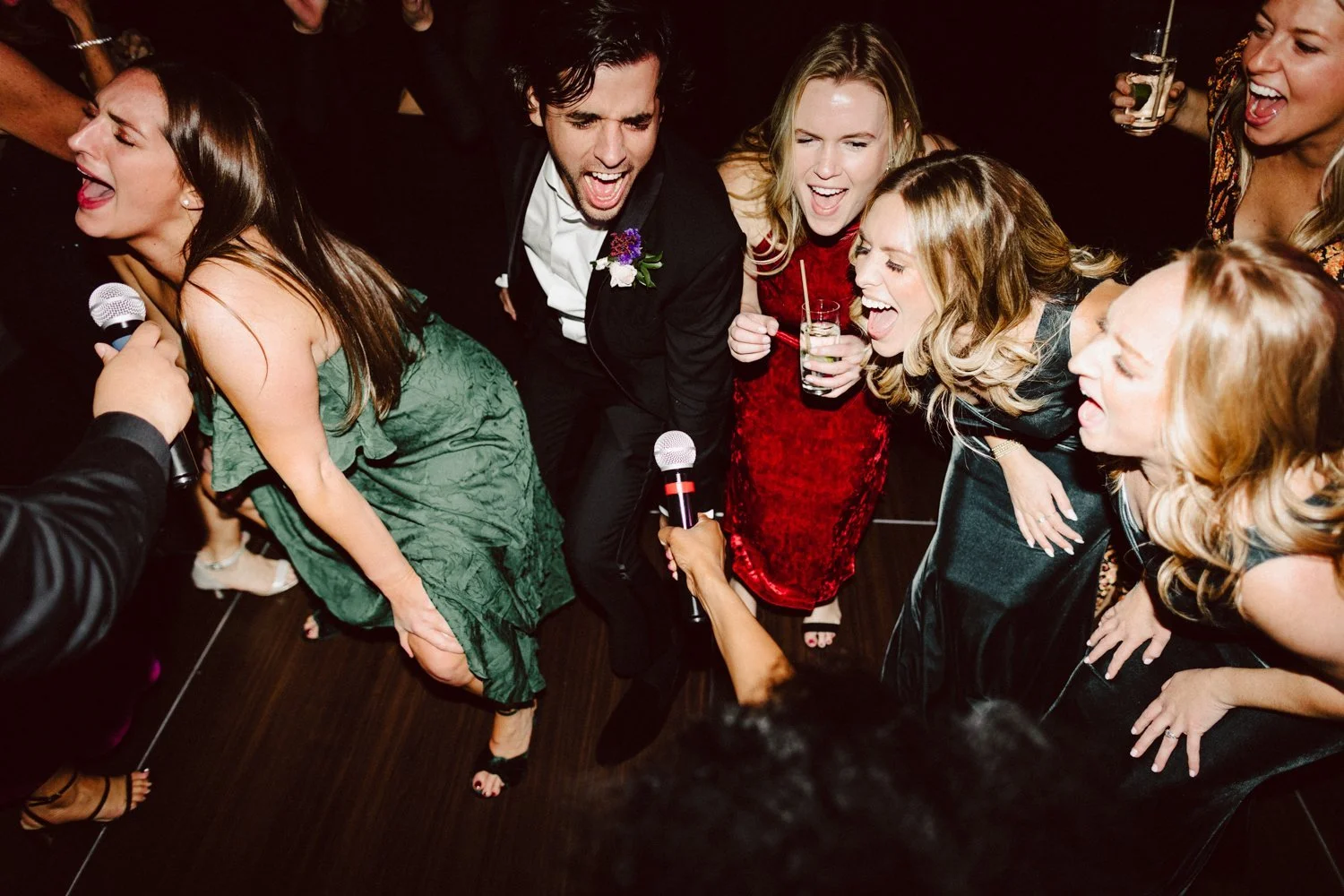
Direct flash is perfect for freezing motion on the dance floor. A burst of light highlights your subjects and captures their expressions and movements in sharp detail. This lets me document the fast-paced atmosphere of the dance floor in your wedding photos.
Create contrast:
One of the key advantages of direct flash is strong contrast, which makes your subjects stand out against the background. This high-contrast look adds drama and depth to your dance floor photos.
Capture vibrant colors:
Direct flash enhances the vibrant colors of the dance floor, from the outfits of your guests to the bold hues of the lighting and decor. The burst of light brings out those colors and creates visually striking images.
When To Use Direct Flash at A Wedding
Knowing when to use direct flash
Assessing the venue and lighting conditions is essential to determine when direct flash is best for your wedding photos. I have photographed at many Boston wedding venues, and each location presents unique opportunities for using direct flash. Some venues look better under the natural light a lighting designer has installed. I experiment with both natural light and direct flash during a reception and use what looks best.
Direct Flash on the Dance Floor for a Consistent Style
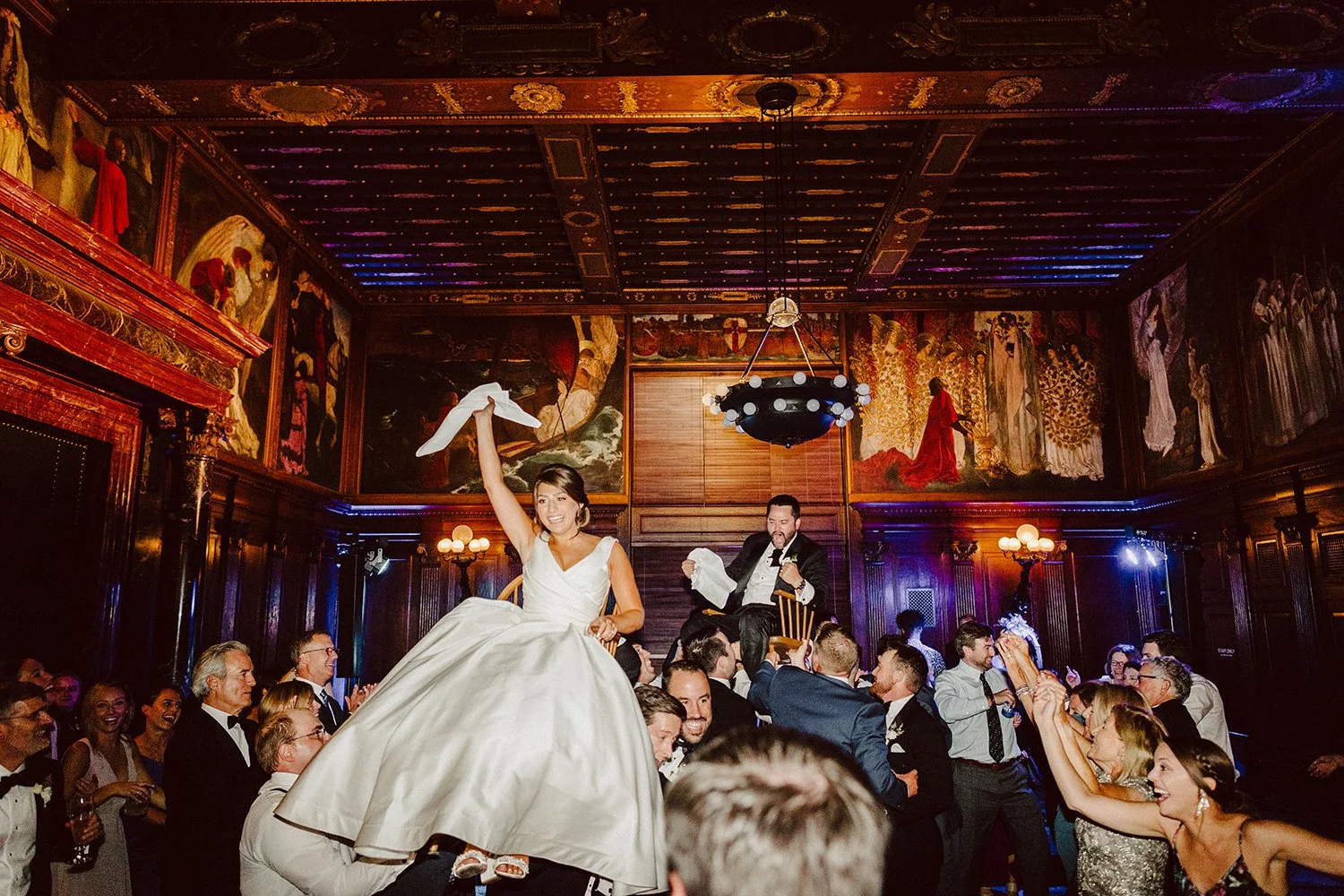
Direct flash creates dynamic photos, and a consistent style throughout your gallery still matters. That is why I primarily use direct flash on the dance floor, where it captures the lively atmosphere and candid moments.
By concentrating direct flash in this setting, I keep a cohesive, polished look across your wedding photos. You can see this in my Boston Public Library wedding and Lenox Hotel wedding galleries.
Focusing direct flash on the dance floor keeps your reception photos consistent in style and quality.
Direct Flash Wedding Photography, FAQs
What is direct flash, and why is it popular at weddings?
Direct flash aims the light straight at the subject. The result is a crisp, editorial frame with strong separation from the background. The look draws on a fashion-inspired aesthetic that couples favor for night portraits and the dance floor.
When is direct flash most effective on a wedding day?
It works best after dark. Receptions, after-parties, and blue-hour portraits all suit it. The light freezes motion and keeps skin tones clean.
Will direct flash be allowed during our ceremony?
Many houses of worship and some venues restrict flash during the ceremony. I confirm the rules in advance. When flash is not permitted, I adapt and document the moment quietly.
Does direct flash cause harsh shadows or shiny skin?
It can when used carelessly. I manage angle, distance, and power to keep the look intentional. I balance it against the ambient light in the room. Light retouching handles anything left over.
How do you prevent red-eye with direct flash?
I keep the light off the lens axis. A simple change of angle reduces red-eye dramatically. Minor retouching handles the rare exception.
Is direct flash only for reception photos?
No. I also use it for night portraits in moody spaces. I mix it with softer light so the gallery stays balanced.
Can we combine film with direct flash for a timeless look?
Yes. Film and direct flash together give nostalgic grain with modern contrast. Couples often request this hybrid for an editorial feel.
Will direct flash make our photos look dated later?
Used with intention, direct flash reads as classic editorial. I pair it with natural light so the gallery feels current and lasting.
What helps direct flash look flattering indoors?
I keep the light slightly off axis and the power moderate. I balance the exposure to the room. The subject stays clean, and the space keeps its mood.
Can we request mostly direct-flash photos, or just a few?
Either works. Tell me your preference and I will set the ratio. Some couples want a handful for the party. Others want a full editorial set after dark. We build a plan around your timeline.
Conclusion: Embrace the Direct Flash Trend
Direct flash can create lasting images from your Boston wedding day. I use these techniques to build a captivating collection by working through camera settings, modifiers, and positioning.